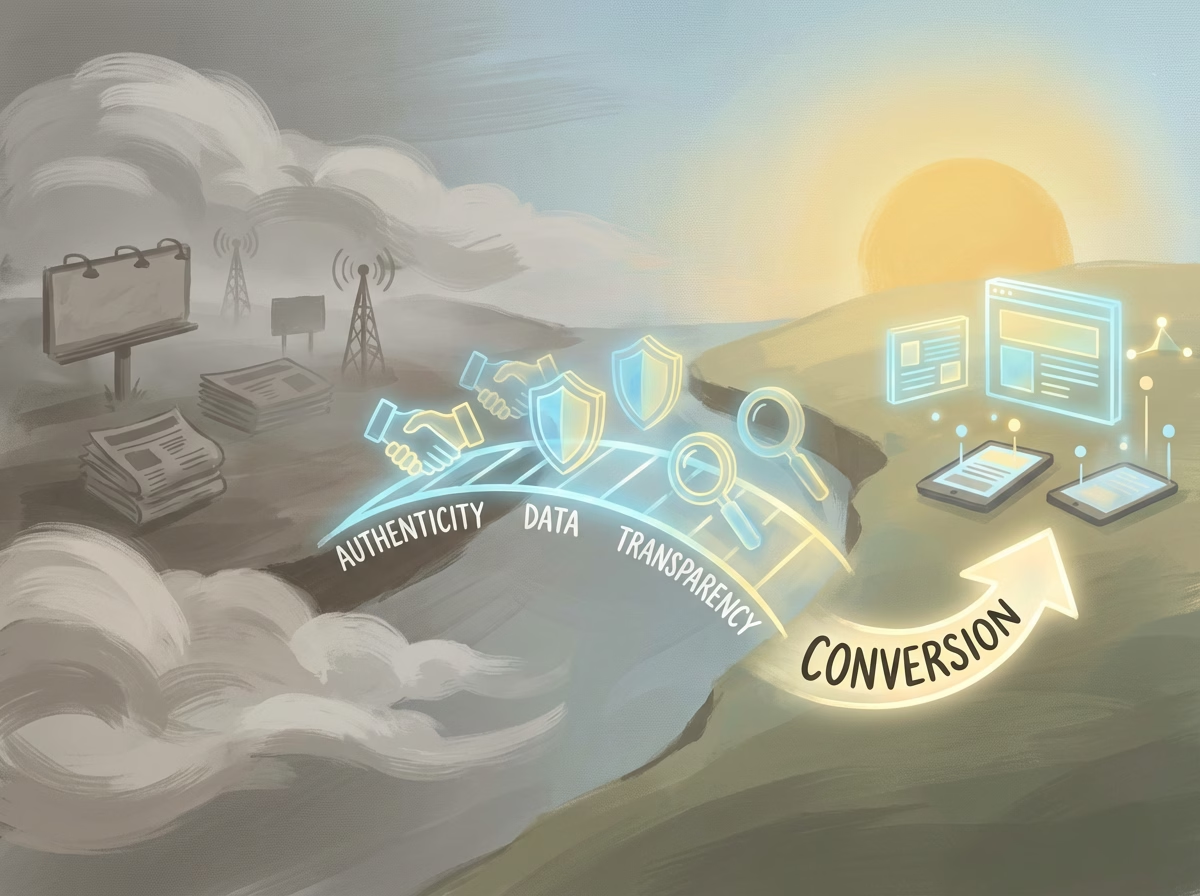
Influencer marketing has evolved from leveraging big celebrities to a diversified strategy focused on micro and nano influencers who offer higher engagement and authenticity. Success now depends on adapting to short-form video trends, prioritizing transparency for demanding audiences, and using data and analytics to measure true ROI instead of just reach. As the regulatory landscape tightens, brands must embrace long-term partnerships and maintain compliance, ensuring the future of influencer marketing is authentic, performance-driven, and focused on user-generated content.

December 10, 2025
Influencer marketing has emerged as one of the most powerful and influential strategies in the world of digital marketing. What started as a niche form of promotion leveraging social media personalities has now become a mainstream tool for brands across industries. With billions of active users on platforms like Instagram, TikTok, YouTube, and even newer ones like Threads, influencers hold the power to shape consumer behavior in ways traditional marketing can’t match. But as the industry grows, so do the complexities and challenges it faces.
In this article, we’ll explore the evolving landscape of influencer marketing, the trends shaping its future, the opportunities it offers, and the challenges that brands and creators alike need to consider.
Initially, influencer marketing revolved around high-profile celebrities and a select few internet personalities with millions of followers. However, the landscape has diversified dramatically. Today, influencers range from A-list celebrities to micro and nano influencers who boast more modest but highly engaged followings.
This shift toward more niche influencers has been driven by consumers’ increasing demand for authenticity. People are more likely to trust the opinions of those they see as relatable, even if those influencers have smaller audiences. This creates an opportunity for brands to target highly specific groups in a more organic and less intrusive manner.
TikTok’s explosive growth has changed the content creation game. Short-form videos are now not just a trend but a dominant format. Brands are increasingly turning to TikTok influencers to create quick, engaging content that’s both entertaining and effective at driving conversions. In fact, TikTok has evolved into a vital hub for influencer marketing.
But it’s not just TikTok; Instagram Reels, YouTube Shorts, and even LinkedIn’s short-form content feature are gaining traction. The short-form format allows brands to convey their message quickly, grab attention in seconds, and encourage action almost immediately—something that longer-form content might struggle to achieve.
This shift means brands need to rethink their strategies to fit the fast-paced, visually-driven nature of platforms. Influencers with the skill to craft high-quality, attention-grabbing content are now more valuable than ever.
As influencer marketing continues to grow, so does scrutiny. Consumers are more aware than ever of the “paid promotion” behind influencer content. The backlash against inauthenticity has been loud, with followers increasingly calling out influencers for “selling out” or promoting products they don’t genuinely use.
Because of this, transparency and authenticity have become key pillars for successful influencer campaigns. The days of influencers simply promoting products for a paycheck without showing real engagement or passion are over. Audiences now expect influencers to endorse only products and services they truly believe in, leading to a stronger, more meaningful connection with their followers.
Many social media platforms are responding to this demand for transparency by improving guidelines for sponsored content, making it more important than ever for influencers and brands to clearly label ads and promotions.
Gone are the days when influencer marketing was seen as a “soft” tactic with uncertain ROI. Today, influencer marketing campaigns are closely monitored through advanced analytics and performance tracking tools. Brands can now measure the impact of their influencer partnerships in terms of conversions, sales, website traffic, and more.
Data-driven insights allow brands to fine-tune their campaigns, identify which influencers are delivering the best results, and optimize for future collaborations. Platforms like Traackr, HypeAuditor, and Influencity offer real-time analytics to track key performance indicators (KPIs), giving brands greater confidence in their influencer marketing investments.
Additionally, AI and machine learning are helping brands predict which influencers might resonate with their target audience. This can save time and money while ensuring campaigns are as effective as possible.
User-generated content has long been a cornerstone of influencer marketing, but it’s becoming even more critical as brands continue to prioritize authenticity. UGC provides social proof that consumers trust, offering genuine testimonials from real people rather than polished brand advertisements.
Brands are leaning into UGC not just by encouraging their followers to share content, but by working with influencers who help amplify the voices of everyday users. By showcasing UGC in influencer campaigns, brands build trust and create a more organic connection with potential customers.
This trend can also be seen in collaborations with influencers where the line between the brand and the influencer’s community blurs, making the promotion feel more like a conversation than a sales pitch.
As influencer marketing matures, so too does the scrutiny around it. Governments and regulatory bodies are increasingly taking an active role in ensuring transparency and fairness in influencer campaigns. For example, the Federal Trade Commission (FTC) in the United States has made it clear that influencers must disclose paid partnerships clearly and conspicuously. Similar regulations exist in countries around the world, with some regions becoming stricter about how influencer marketing is conducted.
The need to navigate these legal requirements is a growing challenge for both brands and influencers. Compliance may involve requiring influencers to use specific language in posts or include certain hashtags like #ad or #sponsored. Brands must be vigilant to ensure their campaigns align with these rules, or they risk facing fines and reputational damage.
Looking ahead, the future of influencer marketing seems poised to continue growing, but it’s clear that success will require constant adaptation. Here are a few predictions for where the space is heading:
Influencer marketing is no longer just a trend—it’s a vital component of many brands’ marketing strategies. As the space continues to evolve, brands must stay agile and adjust to shifts in platform algorithms, consumer expectations, and regulations. By staying authentic, embracing new trends, and leveraging the right data, both influencers and brands can unlock immense opportunities to build trust, engage consumers, and drive long-term success.
In this fast-paced, ever-changing digital world, one thing is clear: influencer marketing is here to stay.
Unlock your potential
.jpeg)





© 2025 Vantage Vision. All Rights Reserved.
Powered By
Webflow
Built By
Rick Mummery